


Limitless Potential of Data Ops and AI
Introduction
Traditional DataOps challenges
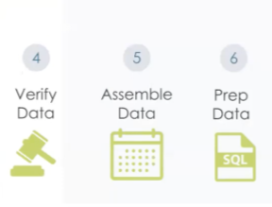
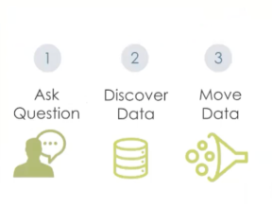
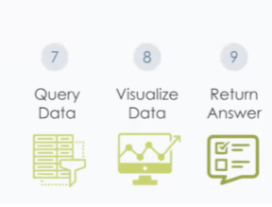
Inspironlabs, AI-Led DataOps Framework
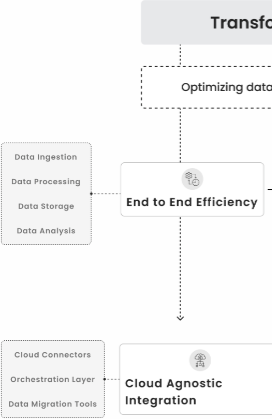
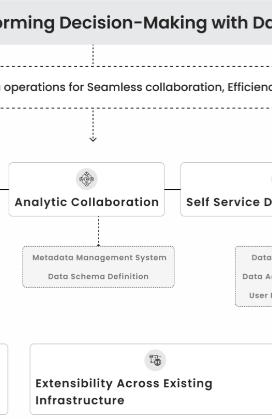
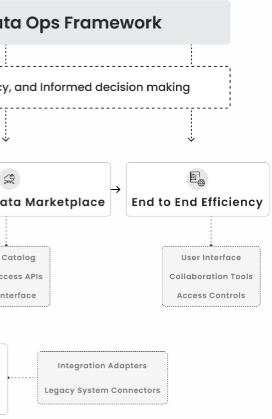
Our Services enabling you to take informed decisions at early stages
We efficiently manage testing environments with our AI enabled tools, enabling create, duplicate, and isolate sandbox environments for testing and validation. This ensure production environment stability during development and testing.
What makes us more reliable in DataOPs
Limitless Potential of Data Ops & AI with InspironLabs!
Author’s Profile

Meghana K N • 2 April, 2026
From Alert Fatigue to Autonomous Incident Resolution: How AI is Redefining MTTR at Scale
The Hidden Cost of Modern Incident Management
In today’s cloud-native, Kubernetes-driven environments, incident management has become a silent productivity drain.
Engineering teams are not struggling due to a lack of tools—they are struggling because those tools don’t solve the problem end-to-end.
Despite investments in observability platforms like Grafana, Prometheus, and PagerDuty, most organizations still rely on manual investigation workflows:
- Engineers triage alerts
- Run diagnostic commands
- Correlate logs and events
- Create tickets
- Document fixes—if time permits
This results in:
- Prolonged Mean Time to Resolution (MTTR)
- Increased downtime costs and SLA breaches
- Engineering bandwidth consumed by repetitive, low-value tasks
The real issue isn’t alerting—it’s the lack of intelligent resolution.
Why Traditional Incident Response Fails at Scale
As systems scale, so does complexity. But incident response hasn’t evolved at the same pace.
Key Gaps in Traditional Models:
- Alert-First, Not Resolution-First
Tools notify teams but don’t provide actionable insights.
- Fragmented Toolchains
Observability, logging, ticketing, and communication tools operate in silos.
- Manual Root Cause Analysis (RCA)
Engineers spend 45–80 minutes per incident just identifying the issue.
- Knowledge Loss
Learnings are rarely documented systematically, leading to repeated effort.
This translates into:
- Higher operational costs
- Reduced engineering efficiency
- Slower innovation cycles
A Shift Toward Autonomous Incident Resolution
The next evolution in incident management is not better alerting—it’s autonomous resolution powered by AI.
Instead of asking:
“Who should respond to this alert?”
Leading organizations are now asking:
“Why can’t the system diagnose and resolve this automatically?”
This shift is enabled by:
- Advances in AI and Large Language Models (LLMs)
- Mature observability ecosystems
- API-driven infrastructure and workflows
Introducing AI-Powered Incident Response
At InspironLabs, we’ve built an AI-driven incident response pipeline that transforms alert noise into actionable, automated resolution.
This system bridges the critical gap between:
Detection → Diagnosis → Resolution
What Makes It Different?
Unlike traditional tools that stop at alert routing, this approach:
- Performs automated root cause analysis (RCA)
- Generates context-rich incident tickets
- Delivers step-by-step remediation guidance
- Works across both automated alerts and manual tickets
How It Works (High-Level View)
1. Alert Ingestion
Alerts from observability tools are automatically captured and processed.
2. AI-Driven Root Cause Analysis
AI agents analyze logs, metrics, and system events to identify the root cause.
3. Automated Ticket Creation
Structured tickets are generated with:
a. Root cause insights
b. Impact assessment
c. Recommended actions
4. Real-Time Remediation Delivery
Actionable insights are shared across collaboration and ticketing platforms.
5. Bidirectional Intelligence
Even manually created tickets trigger automated RCA and remediation suggestions.
The outcome: From hours of investigation to minutes of resolution
Business Impact: Beyond MTTR Reduction
While a 60–80% reduction in MTTR is significant, the real value goes much deeper.
📉 Cost Optimization
> Reduces engineering hours spent on repetitive investigations
> Minimizes downtime-related revenue losses
⚡ Productivity Gains
> Frees teams to focus on innovation and strategic initiatives
> Eliminates manual toil across incident workflows
📊 Improved Reliability & SLAs
> Faster resolution leads to better system uptime and customer experience
🧠 Continuous Learning System
> Every incident becomes a documented knowledge asset, improving future response
A Real-World Scenario
Consider a production outage in a Kubernetes environment:
Traditional Approach:
- Alert fires
- Engineer investigates logs and metrics
- Root cause identified after 60 minutes
- Ticket created and remediation documented
AI-Powered Approach:
- Alert triggers automated RCA
- Root cause identified within minutes
- Ticket created with remediation steps
- Resolution begins immediately
The difference isn’t incremental—it’s transformational
Where This Approach Delivers Maximum Value
This model is particularly impactful for:
- High-scale SaaS platforms
- Enterprises managing complex microservices architectures
- Organizations with high incident volumes
- Teams aiming to adopt AIOps and autonomous operations
The Strategic Advantage: Moving from Reactive to Intelligent Operations
Organizations that adopt AI-driven incident response are not just improving efficiency—they are redefining how operations work.
They move from:
- Reactive firefighting → Proactive resolution
- Manual workflows → Autonomous systems
- Operational overhead → Strategic engineering focus
This is not just a tooling upgrade—it’s a competitive advantage.
Explore How We Can Help
If your teams are still spending hours investigating incidents, it’s time to rethink your approach.
👉 Learn more about our capabilities: https://inspironlabs.com/ai-labs/
The Future of Incident Management is Autonomous
Incident management doesn’t have to be a bottleneck.
With the right application of AI, organizations can:
- Eliminate manual investigation
- Accelerate resolution times
- Unlock engineering productivity
The question is no longer if AI will transform incident response—
it’s how quickly your organization adapts.
Ready to Transform Your Incident Response Strategy?
Connect with our experts to see how AI-powered automation can redefine your operations.
👉 Contact us today: https://inspironlabs.com/contact-us/