




Limitless Potential of Data Ops and AI
Introduction

Traditional DataOps challenges
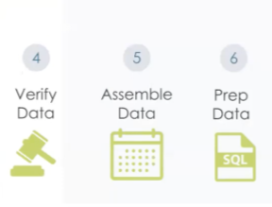
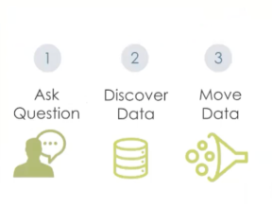
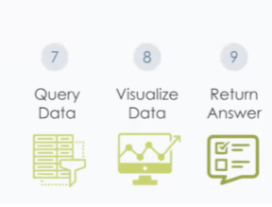
Inspironlabs, AI-Led DataOps Framework
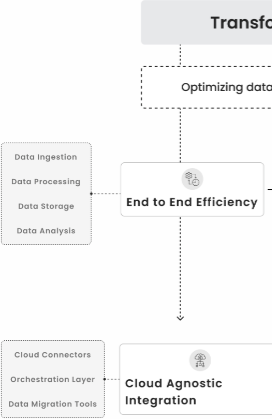
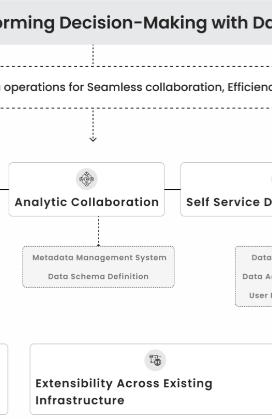
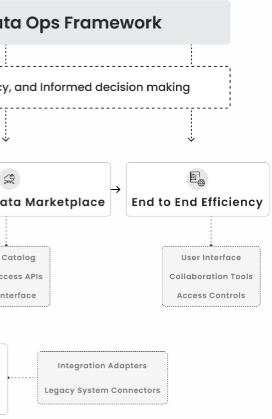
Our Services enabling you to take informed decisions at early stages
We efficiently manage testing environments with our AI enabled tools, enabling create, duplicate, and isolate sandbox environments for testing and validation. This ensure production environment stability during development and testing.
What makes us more reliable in DataOPs
Limitless Potential of Data Ops & AI with InspironLabs!
Author’s Profile

Utkarsh Verma • 2 June, 2026
Why Modern Product Teams Are Choosing SvelteKit Over Next.js for Performance-Driven Applications
How frontend architecture decisions influence product performance, scalability, customer experience, and long-term engineering efficiency.
At InspironLabs, one of the most common conversations we have with product teams, CTOs, and digital leaders starts with a deceptively simple question:
“What framework should we build this in?”
Sometimes it’s a SaaS platform. Sometimes a customer portal, a high-performance marketing website, or a digital product expected to scale quickly across markets and devices.
And increasingly, the conversation turns toward two modern frontend frameworks: Next.js and SvelteKit.
Both are powerful. Both are production-ready. Both can support enterprise-grade digital experiences.
But the right decision is rarely about choosing the “most popular” framework. It’s about selecting the architecture that best aligns with:
- Business goals
- Performance expectations
- Product scalability
- Engineering velocity
- Long-term maintainability
At InspironLabs, we work extensively with both technologies. Yet for many modern digital experiences — especially performance-driven SaaS platforms, marketing ecosystems, and content-heavy products — SvelteKit is increasingly becoming our preferred starting point.
Not because Next.js is flawed. Far from it.
But because modern frontend architecture is no longer just an engineering choice. It’s a business decision with measurable impact across customer experience, SEO visibility, infrastructure efficiency, and product growth.
Why Frontend Architecture Matters More Than Ever
Today’s users expect digital experiences to feel instant.
Whether someone is opening a SaaS dashboard, browsing a product site, or accessing a customer portal on mobile, performance directly shapes:
- Engagement
- Conversion
- Retention
- Brand perception
Search engines now prioritize real-world experience metrics such as:
- Largest Contentful Paint (LCP)
- Interaction to Next Paint (INP)
- Overall page responsiveness
These metrics influence search rankings, user satisfaction, and conversion outcomes.
Even small delays compound into business impact:
- Slower pages increase bounce rates
- Heavy applications reduce engagement
- Poor mobile performance directly affects acquisition and retention
For organizations scaling digital products globally — especially across mobile-first and emerging markets — frontend efficiency becomes a strategic advantage, not just a technical optimization.
That’s why framework selection deserves executive attention.
Understanding the Difference: Next.js vs SvelteKit
Next.js is built on top of React and has become one of the most widely adopted frameworks for modern web development. It offers:
- Server-side rendering
- Static generation
- API routes
- Mature tooling
- Access to one of the largest frontend ecosystems in the industry
Its adoption by companies like Netflix, Nike, and Notion reflects its maturity and flexibility.
SvelteKit approaches the same challenge differently.
Instead of shipping a large browser-side runtime, Svelte compiles components during build time into highly optimized JavaScript. Much of the framework overhead disappears before the application reaches the browser.
The practical outcome is:
- Smaller bundles
- Faster loading experiences
- Reduced browser processing
- Lighter infrastructure demands
For organizations prioritizing performance and lean digital experiences, these differences become meaningful at scale.
Why Smaller Frontend Bundles Matter to Business Leaders
Technical discussions often focus on kilobytes and rendering strategies.
But business leaders should translate that into:
- Customer experience
- SEO performance
- Infrastructure costs
- Conversion efficiency
A lighter frontend application typically means:
- Faster page loads
- Stronger Core Web Vitals
- Improved mobile responsiveness
- Better engagement rates
This becomes especially important for:
- Mobile-first audiences
- Global products
- High-traffic platforms
- Performance-sensitive customer journeys
Across many modern implementations, SvelteKit applications tend to ship significantly less JavaScript than equivalent Next.js builds.
That often results in:
- Faster Largest Contentful Paint scores
- Improved mobile Lighthouse performance
- Reduced bandwidth consumption
For growing digital platforms, these improvements influence:
- Organic search visibility
- Trial-to-conversion rates
- User retention
- Cloud infrastructure efficiency
In other words, frontend architecture directly impacts business performance.
Where Next.js Continues to Be an Excellent Choice
It’s important to be clear: Next.js remains one of the strongest frontend frameworks available today.
In many cases, it is absolutely the right choice.
At InspironLabs, we frequently recommend Next.js for organizations that:
- Already operate within the React ecosystem
- Have established React engineering teams
- Rely on mature React libraries and integrations
- Require highly specialized enterprise workflows
Next.js is particularly valuable for:
- Large enterprise applications
- Complex React-driven ecosystems
- Heavily integrated digital platforms
- Organizations deeply aligned with Vercel infrastructure
If a company already has a stable and successful React architecture in production, a rewrite rarely creates proportional business value.
Technology decisions should solve measurable business problems — not follow trends.
Where SvelteKit Creates Strategic Advantage
1. Performance-Driven Marketing & Content Platforms
For marketing websites, product landing pages, documentation hubs, and content-heavy digital experiences, performance is critical.
These platforms typically prioritize:
- SEO visibility
- Fast mobile experiences
- Conversion optimization
- Rapid content delivery
Most of these experiences do not require large client-side runtimes.
SvelteKit’s lightweight architecture helps deliver:
- Cleaner static output
- Faster rendering
- Better Core Web Vitals performance by default
For brands competing in search-heavy markets, these improvements can influence discoverability, engagement, and acquisition efficiency.
2. Modern SaaS Products Focused on UX
Users may not verbally describe an application as “slow,” but they immediately feel friction.
Laggy interactions, delayed rendering, and heavy interfaces create subtle but measurable churn signals.
For SaaS products used repeatedly throughout the day, responsiveness directly shapes user perception.
SvelteKit’s smaller runtime footprint and compiled architecture often produce:
- Faster interactions
- Lighter client-side execution
- More efficient scaling
For startups and growth-stage platforms, this can reduce:
- Infrastructure overhead
- Operational costs
- Frontend complexity as the product evolves
3. Lean Product Teams That Need Faster Delivery
One of SvelteKit’s biggest operational advantages is simplicity.
The framework reduces much of the boilerplate commonly associated with modern frontend development.
For smaller engineering teams, that often translates into:
- Faster onboarding
- Reduced architectural complexity
- Quicker debugging
- Improved development velocity
Cleaner systems tend to produce:
- Lower maintenance costs
- Fewer inconsistencies
- More sustainable long-term scaling
For companies building rapidly evolving products, that simplicity compounds over time.
4. Mobile-First Products in Emerging Digital Ecosystems
In many environments, network reliability and device performance still vary significantly.
For mobile-first products operating across:
- High-growth digital markets
- Bandwidth-variable environments
- Mobile-first user ecosystems
- Performance-sensitive customer journeys
Performance optimization becomes essential.
Lighter frontend bundles improve:
- Loading speed on weaker networks
- Usability on lower-powered devices
- Overall accessibility across broader user segments
For organizations pursuing large-scale digital adoption, these are not minor optimizations — they directly influence market reach, customer experience, and product adoption.
5. Products That Need Long-Term Maintainability
As products grow, frontend complexity tends to grow with them.
Without strong architectural consistency, teams often accumulate:
- Fragmented state management
- Duplicated logic
- Inconsistent data patterns
- Mounting technical debt
SvelteKit’s opinionated structure and built-in capabilities help create more consistent development patterns across teams.
That consistency improves:
- Maintainability
- Onboarding efficiency
- Scalability
- Long-term engineering sustainability
The SEO and Experience Advantage
Search visibility today is increasingly tied to page experience.
When two companies compete with similar authority and content quality, the faster and more responsive experience often gains the edge.
That means:
- Performance influences discoverability
- Discoverability influences traffic
- Traffic influences growth
Because SvelteKit applications generally ship less JavaScript, they frequently achieve stronger Core Web Vitals scores with less optimization effort.
For:
- Content-driven brands
- SaaS companies
- Documentation platforms
- Digital-first businesses
That performance advantage can compound significantly over time.
What Technology Leaders Often Ask Us About SvelteKit
“Is it mature enough for enterprise use?”
Yes. SvelteKit is production-ready and continues to mature rapidly. Organizations are already using it successfully across scalable digital platforms and modern web applications.
“Will hiring become difficult?”
The React talent pool is undeniably larger. However, Svelte’s learning curve is comparatively approachable, and experienced JavaScript developers typically adapt quickly.
“Should we rewrite an existing Next.js application?”
In most cases, no.
Rewrites only make sense when there is a clear business case:
- Measurable performance bottlenecks
- Scaling limitations
- Operational inefficiencies
- Customer experience challenges that cannot be resolved incrementally
Architecture decisions should always be outcome-driven.
Our Decision Framework at InspironLabs
We generally recommend SvelteKit when:
- Performance is a core product differentiator
- Mobile experience is business-critical
- Teams need faster development velocity
- Products are being built from scratch
- Long-term maintainability and lightweight architecture are priorities
We typically recommend Next.js when:
- Organizations already operate within React ecosystems
- Enterprise integrations require mature React tooling
- Large React teams already exist
- Platform workflows depend heavily on the broader React ecosystem
And in many situations, the best decision is simply: Continue investing in what is already working effectively.
Technology should enable growth — not create unnecessary disruption.
The Bigger Picture Beyond Frameworks
Framework comparisons often sound purely technical.
In reality, they shape:
- How quickly teams can ship
- How efficiently products scale
- How users experience digital platforms
- How sustainably engineering systems evolve over time
A faster product improves engagement.
A simpler architecture reduces operational friction.
A leaner frontend lowers infrastructure costs.
And stronger engineering velocity creates more room for innovation.
At InspironLabs, we view frontend architecture not as a trend-driven choice, but as part of a broader product and business strategy.
The best framework is not the most popular one.
It’s the one that helps your organization build faster, scale smarter, deliver exceptional user experiences, and sustain long-term digital growth.
Building High-Performance Digital Products Starts with the Right Architecture
As digital experiences become more performance-sensitive, framework decisions increasingly shape scalability, user experience, engineering velocity, and long-term product sustainability.
Whether you’re modernizing an existing platform or building a new digital product from the ground up, choosing the right frontend architecture can create lasting business impact.
👉 Explore more insights at InspironLabs